

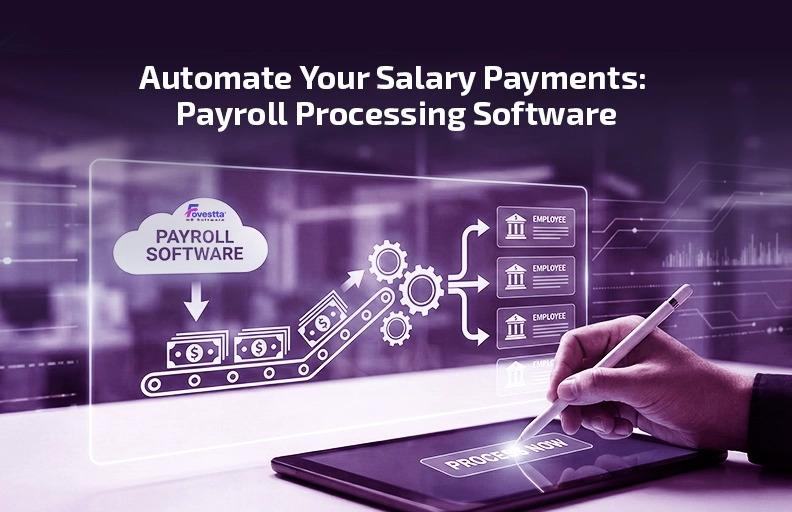
Payroll processing software is the backbone of modern business operations, ensuring that employees are paid accurately and on time. In an era where manual data entry is becoming obsolete, a robust employee payroll system is no longer a luxury—it is a necessity. Businesses that transition to automated payroll management see a significant reduction in human error, improved tax compliance, and higher employee satisfaction.
Why Your Business Needs Payroll Processing Software
Managing a workforce involves complex calculations, including tax deductions, insurance contributions, and overtime pay. A manual employee payroll management system is often prone to mistakes that can lead to legal penalties or disgruntled staff. By implementing high-quality payroll management software, companies can automate these calculations with a single click.
Beyond simple math, payroll processing software integrates with time-tracking tools. This means that as soon as an employee logs their hours, the data flows directly into the HR and payroll software, calculating the exact payout without any manual intervention.
Key Features of a Modern Employee Payroll System
When searching for the right payroll processing software, it is important to look for features that go beyond just cutting checks. A modern employee payroll management system should offer:
- Automated Tax Filings: The software should automatically calculate and withhold local and national taxes.
- Direct Deposit Integration: Seamlessly move funds from the company account to employee bank accounts.
- Self-Service Portals: Allow employees to download their own pay slips and tax forms through the payroll management software.
- Compliance Updates: The HR and payroll software should automatically update whenever labor laws or tax brackets change.
Improving Accuracy with Payroll Management Software
The primary goal of payroll management is accuracy. Even a minor decimal error can cause significant financial discrepancies over a fiscal year. Utilizing payroll processing software ensures that every calculation—from gross pay to net take-home—is precise.
Furthermore, a centralized employee payroll system keeps all historical data in one place. This is vital during audit season. Instead of digging through spreadsheets, administrators can generate detailed reports from their payroll management software in seconds, showing exactly where every penny was allocated.
Seamless Integration: HR and Payroll Software
The most successful organizations don’t treat payroll as an isolated task. Instead, they use integrated HR and payroll software. This synergy allows for a better flow of information. For example, when an employee is promoted or gets a raise, the HR module updates the employee payroll management system automatically.
This holistic approach to payroll management reduces the administrative burden on HR teams, allowing them to focus on employee engagement and talent acquisition rather than tedious paperwork.
Choosing the Right Payroll Processing Software for 2025
As we move further into 2025, the demand for mobile-friendly and cloud-based solutions is skyrocketing. Your payroll processing software should be accessible from anywhere, providing real-time data to decision-makers. Whether you are a small startup or a large enterprise, selecting a scalable employee payroll system will save your company thousands of hours in the long run.
In conclusion, automating your salary payments through professional payroll management software is the smartest move for any growing business. It secures your data, ensures your team is paid on time, and keeps your company compliant with ever-changing regulations.
